Is Your Business Ready? Commercial Plumbing Maintenance Checklist
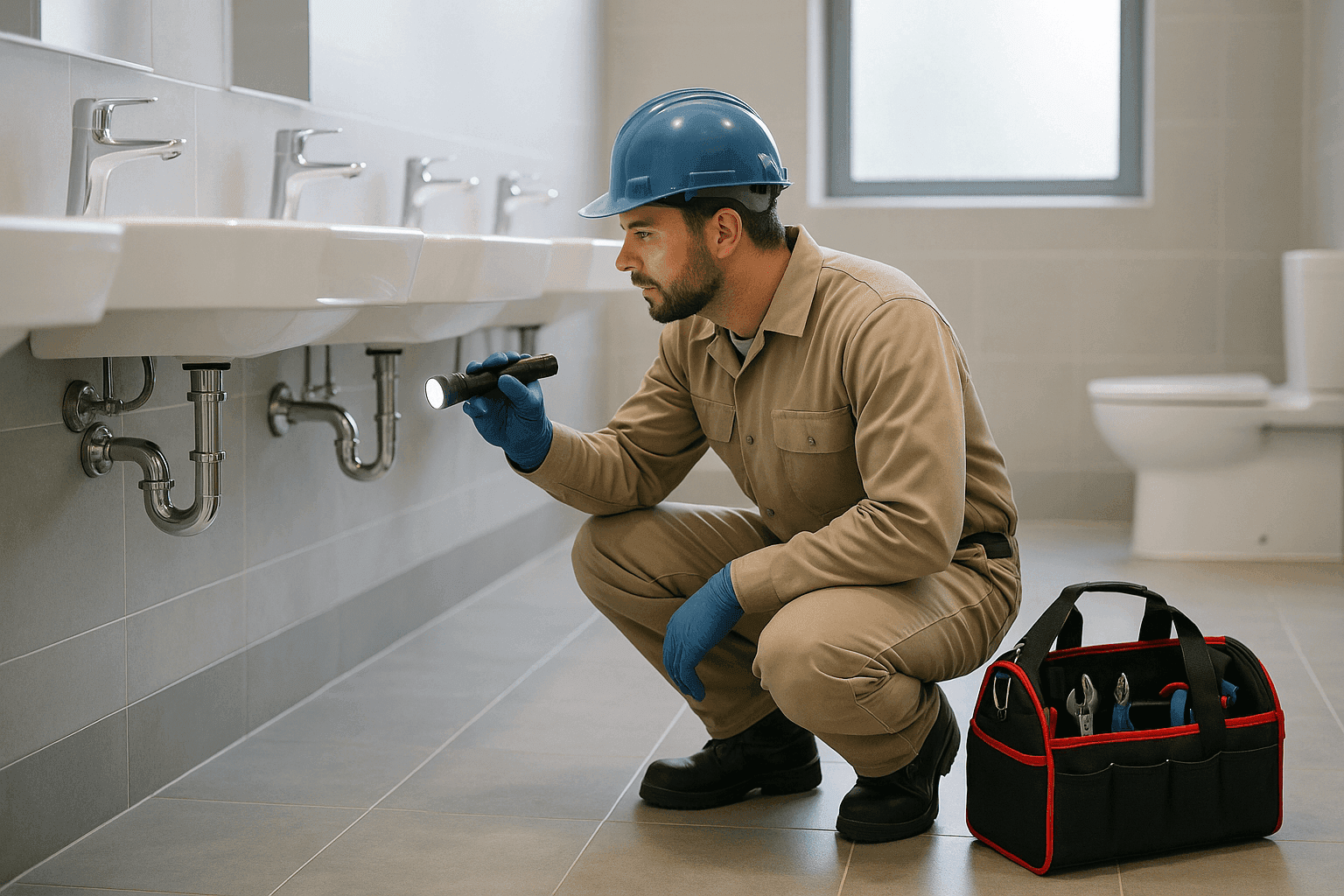
Running a business means solving problems before they spiral. Plumbing? It’s the silent backbone of your restaurant, office, or apartment building. When it fails, everything stops. Wet floors, angry tenants, frantic staff, lost revenue.
T Top Plumbing has helped businesses like yours—retail, restaurants, offices, multi-family properties—weather the worst. But the best defense is a solid maintenance plan, not just a patch when things go wrong.
Why Preventative Maintenance Matters 🚨
A leaky pipe or clogged drain isn't just a nuisance. It’s a ticking clock. Every drip chips away at your bottom line.
- Downtime costs: Repairs can close kitchens, bathrooms, or entire floors. For restaurants, that means empty tables. For offices, lost productivity. For apartment buildings, unhappy tenants.
- Liability risks: Water on the floor? Suddenly you’re facing slip-and-fall claims. Mold in the walls? That’s a health hazard—and a legal one.
- Repair expenses: Emergency plumbing rates are no joke. Preventative maintenance costs less in the long run.
Think of plumbing like the circulatory system of your business. When it runs smoothly, everything else works better too.
Monthly and Seasonal Tasks
Stay ahead of trouble with regular checks. Simple habits can save thousands.
Monthly Must-Dos
- Inspect for leaks: Check under sinks, behind toilets, and around water heaters. Water stains, musty smells, or warped flooring mean it’s time to call in help.
- Test water pressure: Sudden changes? Could signal a hidden leak or clogged line.
- Run all fixtures: Turn on every tap and flush every toilet. Catch slow drains or weak flushes early.
- Check garbage disposals: Listen for odd noises. Odors could mean a jam or failing motor.
Seasonal Essentials
Spring storms? Winter freezes? Each brings unique threats:
- Before winter: Insulate exposed pipes. Check for drafts in basements or crawl spaces. Frozen pipes explode like shaken soda cans.
- Before rainy season: Clear gutters and downspouts. Test sump pumps. Make sure backflow prevention devices are working.
- After major weather events: Walk the property. Look for pooling water, cracked pipes, or shifting soil near sewer lines.
For restaurants, clean grease traps and schedule routine drain cleaning. For multi-family buildings, coordinate with residents—leaks in one unit can spell disaster for the whole stack.
Legal and Safety Compliance 🛡️
It’s not just about comfort—it’s about the law. Regulations are strict for good reason.
Backflow Testing
Required by most local health codes. Backflow devices keep dirty water from contaminating your drinking supply. Annual testing is a must, especially for food service and healthcare facilities. Keep those certificates filed and ready for inspection.
Gas Safety Checks
If your business has gas lines—for stoves, boilers, or water heaters—regular checks are non-negotiable. Leaks are invisible hazards. Schedule annual inspections in line with California Plumbing Code or your local authority.
Record-Keeping
Keep a maintenance log. Date, location, any repairs or checks done. It might sound tedious, but it’s your first line of defense in a dispute or inspection.
Partnering With a Pro
A trusted plumber isn’t just a number on your fridge. They’re a partner in your business’s health.
Why Service Contracts Work
- Priority scheduling: When emergencies strike, contract customers move to the front of the line.
- Scheduled checkups: Regular inspections mean small problems get caught before they turn into major shutdowns.
- Compliance assurance: Professional plumbers know the latest codes. They’ll make sure your business is ready for any inspection.
- Documentation: You get detailed reports—perfect for insurance and city inspectors.
Think of a service contract like an insurance policy for your pipes. One less thing to worry about.
Quick Commercial Plumbing Checklist
Use this as your monthly reminder:
- Walk the property for visible leaks or water stains
- Test all faucets, toilets, and showers
- Check floor drains, especially in storage or mechanical rooms
- Listen for odd sounds in pipes or tanks
- Inspect water heater for corrosion or puddles
- Test sump pump (pour in a bucket of water)
- Confirm water pressure at multiple locations
- Review maintenance log for overdue tasks
Local Needs: Restaurants, Offices, and More
Every property type has its quirks.
- Restaurants: Grease and food waste clog pipes fast. Schedule drain cleaning and grease trap service more often.
- Retail: Restroom reliability is key. Customers expect clean, working facilities.
- Offices: Multiple floors and fixtures increase the risk of hidden leaks.
- Multi-family: Shared systems mean a single leak can affect many tenants. Quick response and preventative checks avoid major headaches.
What’s at Stake? Time, Money, Reputation
A burst pipe at midnight can mean days of lost business. Emergency plumbing services cost more because they require immediate response—often after hours.
Routine maintenance costs less, both in cash and in stress. According to the International Association of Plumbing and Mechanical Officials (IAPMO), proactive maintenance can extend system life by 15–20 years.
When It’s an Emergency
Some problems can’t wait:
- No water or hot water
- Sewage backflow
- Gas smell or suspected leak
- Major leaks or flooding
In these cases, shut off water or gas at the main valve and call emergency plumbing services immediately.
FAQ
How often should I schedule professional plumbing maintenance?
At least once a year for full inspections, but high-use properties—like restaurants—may need quarterly checks.
Do I need backflow testing every year?
Yes. Most health departments require annual certification, especially for commercial buildings.
Can I do any of this myself?
You can spot leaks and check fixtures, but licensed plumbers are required for inspections, repairs, and compliance tasks.
What should I do if I smell gas?
Evacuate immediately. Do not use electrical switches. Call emergency services, then your plumber.
Referenced Standards
- California Plumbing Code (CPC)
- International Association of Plumbing and Mechanical Officials (IAPMO)
- Local health department guidelines
- NFPA 54: National Fuel Gas Code
Plumbing issues shouldn’t catch your business off guard. Stay ready, stay compliant, and keep your operations running smoothly.
Call T Top Plumbing now — or reach us anytime at 877-754-3949 .