Drain Cleaning 101: How to Clear and Prevent Clogs
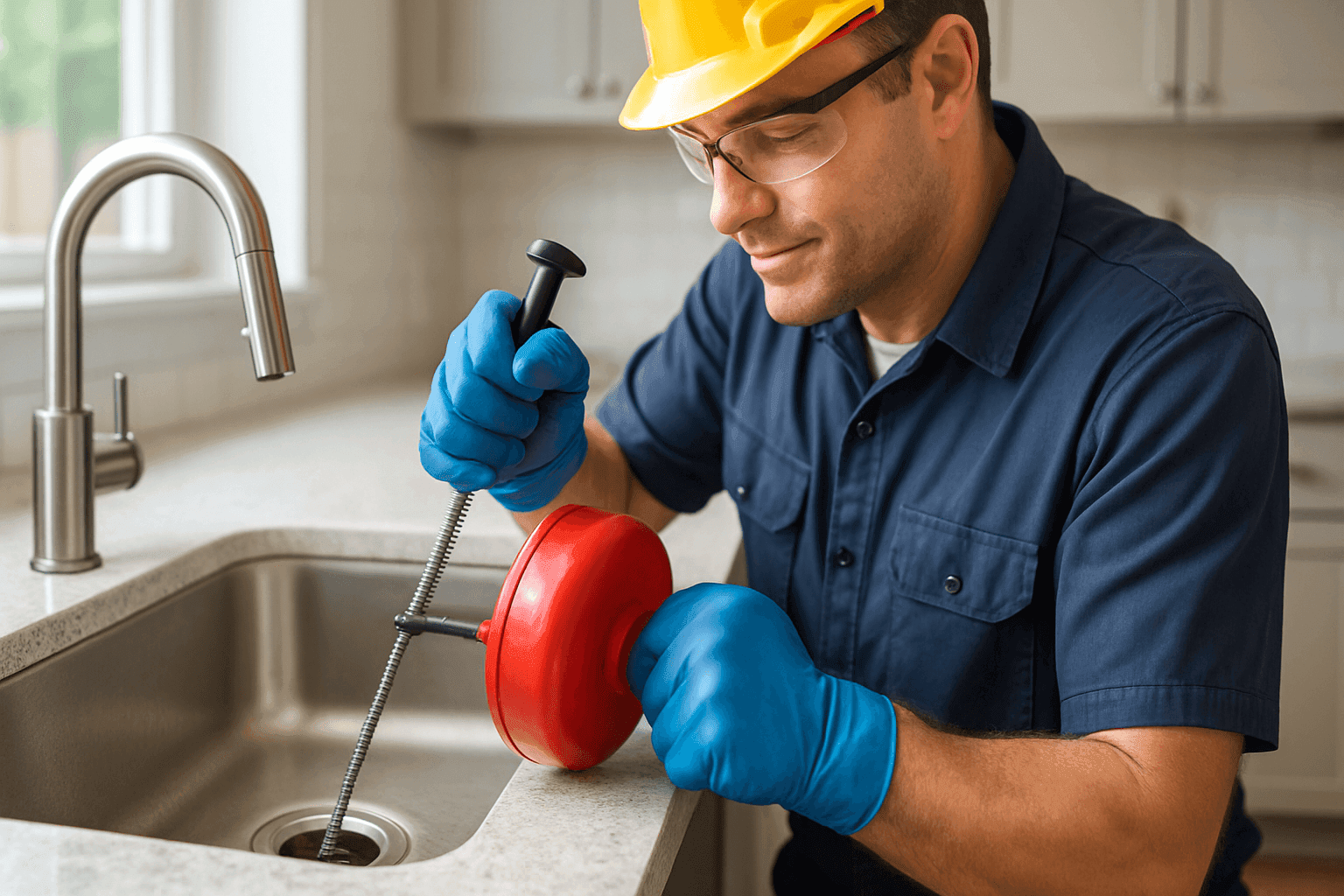
Clogged drains. They never seem to happen at a good time. One minute, your sink is working just fine—the next, water is pooling and you’re scrambling for a solution. At T Top Plumbing, we see it all, from stubborn kitchen gunk to long-forgotten toys stuck in a drain. Our certified technicians handle emergencies around the clock, but we also believe a little know-how can save you a headache (and a call for emergency plumbing).
Let’s get to the root of drain clogs, how you can tackle them, and how to keep your plumbing flowing freely—at home or at your business.
Why Drains Clog
It usually starts small. A bit of hair here, a splash of grease there. Over time, though, those everyday habits add up.
- Grease and Oil: Pouring bacon grease or cooking oil down the sink is like dumping candle wax—soft at first, then hard as a rock. Grease clings to pipe walls and traps everything else coming down.
- Hair: In bathroom drains, hair acts like a net. It tangles with soap, forming stubborn mats that block water.
- Food Scraps: Coffee grounds, rice, and eggshells love to settle in kitchen pipes, even if you have a garbage disposal.
- Foreign Objects: Kids’ toys, dental floss, or even a dropped ring can become instant blockages.
- Hard Water: In many areas, like Southern California, hard water leaves mineral scale. This crusty buildup narrows pipes, making clogs more likely.
Whether you’re running a busy kitchen or managing a commercial property, the cause is often the same: stuff going down the drain that shouldn’t.
DIY Unclogging Methods 🛠️
Before you reach for the phone, try these simple, safe steps at home.
Plungers
The humble plunger is more than a bathroom staple—it’s your first line of defense. For sinks, use a cup plunger; for toilets, a flange plunger works best.
- Remove standing water if you can.
- Set the plunger over the drain, creating a tight seal.
- Pump up and down several times, then quickly pull off.
- Repeat as needed. Sometimes, the pressure alone is enough to budge a clog.
Drain Snakes
A drain snake (also called an auger) is like fishing for problems. Just feed the flexible wire down the drain, twist, and pull back slowly.
- For showers and sinks, a hand-crank snake can snag hair or small obstructions.
- For deeper clogs, you might need a longer, sturdier auger.
Safe Cleaners
Skip harsh chemicals. They’re tough on pipes, bad for the environment, and dangerous if misused. Instead:
- Try a mixture of baking soda and vinegar. Pour half a cup of baking soda, then half a cup of vinegar down the drain. Wait 15 minutes, then flush with hot water.
- If you have standing water, bail out as much as possible before trying this.
If you’re dealing with recurring clogs, these fixes might only be a temporary bandage. There could be deeper issues at play.
Preventative Habits
The best drain is a clear drain. Here’s how to keep yours that way:
- Never pour grease, oil, or fat down the drain. Wipe out pans with a paper towel first.
- Install mesh drain screens in showers, tubs, and sinks to catch hair, food, and debris.
- Run cold water when using your garbage disposal to help solidify fats and move them through.
- Dispose of coffee grounds, eggshells, pasta, and rice in the trash—not the garbage disposal.
- Flush only toilet paper—no wipes, floss, cotton swabs, or paper towels.
- Schedule regular preventative maintenance. Routine drain cleaning and sewer line inspection can catch small issues before they become emergencies.
These habits are simple, but they add up to real savings—of time, money, and stress.
When to Call a Pro 🚨
Some clogs refuse to budge. Here’s when you need a certified technician:
- Standing water won’t drain after several DIY attempts.
- Multiple drains are slow or backed up at once (could signal a main line problem).
- Gurgling sounds, bad odors, or bubbling toilets—these can point to venting or sewer issues.
- Water backing up into sinks, tubs, or floor drains—a classic sign of a main sewer clog.
- Recurring clogs in the same drain.
A professional has tools—like motorized augers, hydro jetting, and even drain cameras—that go far beyond store-bought gear. Certified plumbers can also check for root intrusion, collapsed pipes, or hidden leaks. At T Top Plumbing, our team uses eco-friendly solutions and methods that are safe for your family and the environment.
What Pros Do On Arrival
When a plumber arrives, it’s not guesswork—it’s a process.
- Assessment: We ask about symptoms, location, and history. Then, we inspect drains and visible plumbing.
- Testing: Water flow tests and, when necessary, camera inspections help locate the problem (especially for sewer line repair or inspection).
- Specialized Tools: Motorized drain snakes, high-pressure water jetting, and pipe inspection cameras get to the root of the issue quickly.
- Clear Communication: We explain what we find and discuss options—whether it’s a simple fix or something bigger, like repiping or sewer line installation near you.
- Cleanup: No mess left behind. We treat every home or business as if it’s our own.
We also look for underlying issues: tree root intrusion, pipe corrosion, or even hard water scale—common in our region.
Preventative Maintenance
The best fix is prevention. Schedule regular maintenance, especially for older buildings or busy households.
- Professional drain and sewer line inspections catch small problems early.
- Backflow testing and prevention keep your water safe.
- Leak detection can stop water waste and property damage in its tracks.
- If you have hard water, consider a water filtration system to reduce mineral scale buildup.
Taking care of your drains now means fewer emergencies later.
Costs & Time Factors
No one likes surprises—especially with plumbing. Here’s what affects cost and timing:
- Type of Clog: Shallow clogs (hair, food) are quicker to clear. Deep or mainline clogs can take longer.
- Location: Kitchen and bathroom sinks are usually more accessible than underground sewer lines.
- Tools Needed: Motorized equipment or camera inspections add time but pinpoint issues fast.
- Severity: In rare cases, extensive buildup or pipe damage may require additional repairs or even replacement.
In general, most drain cleanings take under an hour. Bigger jobs—like full sewer line installation or repair—can take several hours or more. For peace of mind, always ask for a clear estimate before any work begins.
When It’s an Emergency
Some clogs can’t wait. Here’s when to call for emergency plumbing, day or night:
- Water is flooding your home or business.
- Sewage is backing up into sinks, tubs, or toilets.
- You smell gas or suspect a gas leak (always evacuate and call emergency services first).
- No water pressure in your home or business.
Quick action can minimize damage and keep everyone safe.
FAQ
What’s the safest way to clear a minor clog?
Start with a plunger or a drain snake. Avoid harsh chemicals—they can damage pipes and harm the environment.
Are store-bought drain cleaners safe?
Most aren’t. Chemical cleaners can corrode pipes, worsen clogs, and pollute groundwater. Stick to mechanical methods and eco-friendly solutions.
Why do my drains clog so often?
Frequent clogs are usually a sign of deeper issues—like pipe scale, improper slope, or even tree roots. Regular maintenance and professional inspections can help.
Can hard water cause clogs?
Absolutely. Mineral buildup (scale) from hard water is a common problem, especially in Southern California. A water filtration system can help reduce this risk.
Local & Seasonal Considerations 🌦️
Here in our region, hard water is a frequent culprit—leaving behind limescale that narrows pipes and traps debris. During rainy seasons, outdoor drains can clog with mud, leaves, or even roots seeking water. In older neighborhoods, aging sewer lines are more vulnerable to intrusion and collapse.
If you’re in a newer development, watch for construction debris in pipes. Commercial kitchens should be especially vigilant—grease and food waste build up fast.
When in doubt, a proactive sewer line inspection near you can pinpoint trouble before it turns into an emergency.
If your drains are slow, gurgling, or just plain stuck, don’t wait for it to get worse. Call T Top Plumbing now — or reach us anytime at 877-754-3949 .