Fixture Installation for Kitchens & Bathrooms: DIY or Hire a Pro?
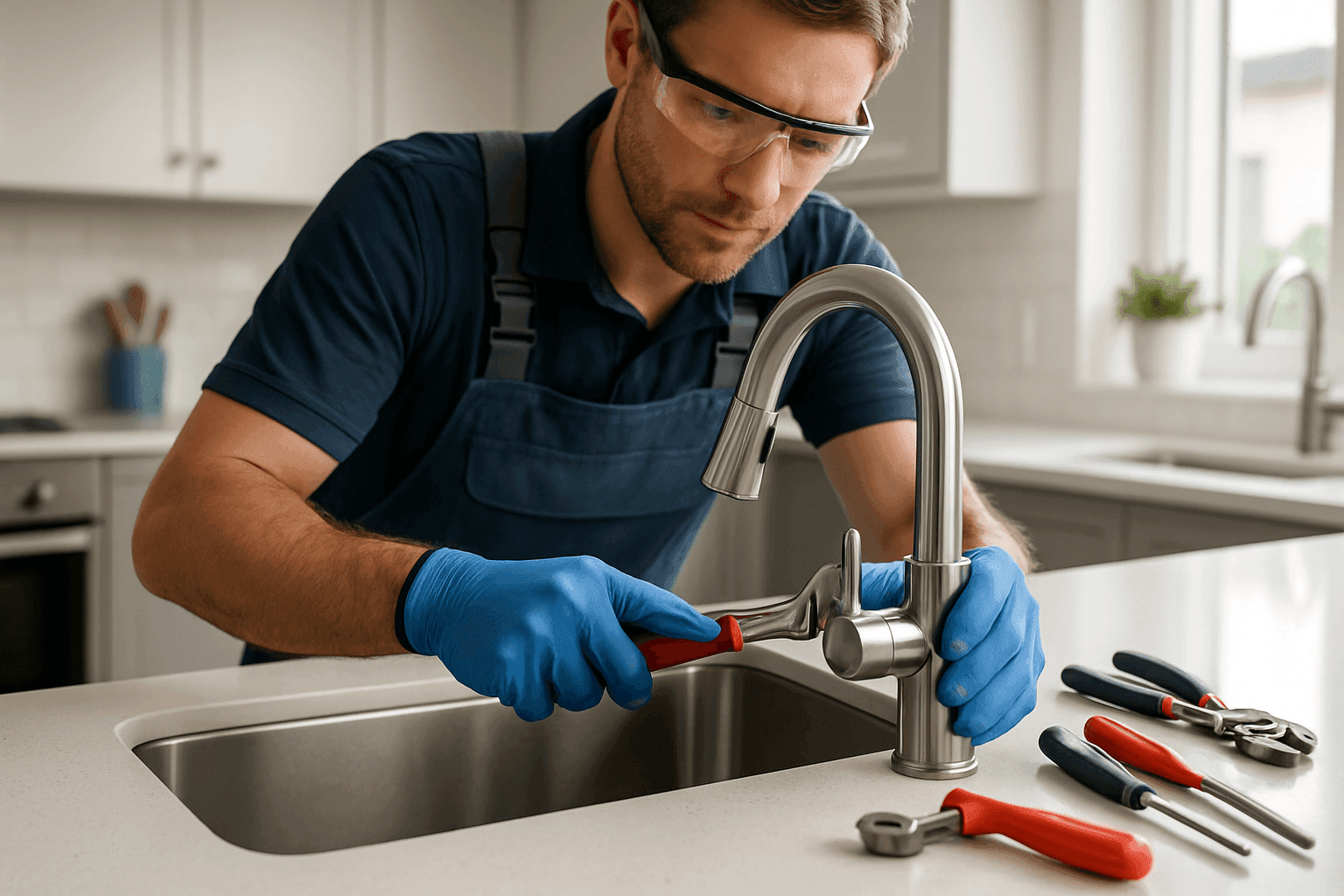
Thinking about installing a new faucet or replacing that old showerhead? You’re not alone. For homeowners and business owners alike, upgrading kitchen or bathroom fixtures can be the fastest way to give a space a fresh feel. But there’s always that big question: should you do it yourself, or is it time to call in a professional?
At T Top Plumbing, we know how tempting a DIY project can be. We also see what happens when things go sideways. The difference between a weekend win and a plumbing disaster? Sometimes, just a single bolt.
Which Fixtures Can You DIY? 🚰
If you enjoy working with your hands and have a few basic tools, some fixture installs are within reach. Think of it like changing a lightbulb versus rewiring a house—the stakes (and skills) are very different.
Common DIY-friendly fixtures:
- Faucets: Most kitchen and bathroom faucets can be swapped out with a wrench, plumber’s tape, and a bit of patience. Just shut off the water first.
- Showerheads: Unscrew the old one, wrap the threads, and screw on the new. Easy.
- Simple toilets: Replacing an older toilet with a similar model is possible for careful DIYers. But watch for leaks and floor damage.
What makes these manageable?
They rarely require cutting pipes, soldering, or dealing with gas lines. The parts are accessible. If you can follow step-by-step instructions and aren’t afraid of a little mess, you might be in the clear.
But beware:
Even simple projects can go wrong—think stripped threads, cross-threaded fittings, or a stuck shutoff valve. Water has a way of finding even the tiniest mistake.
When to Hire a Pro🔧
Not every fixture is a Saturday afternoon job. Some upgrades are more like open-heart surgery for your plumbing.
Call a professional for:
- Anything involving gas lines (like gas stoves or dryers)—this is non-negotiable for safety and legal reasons.
- Complex installations: Tankless water heaters, garbage disposals, or high-end toilets with bidets need both plumbing and electrical know-how.
- Pipe or drain modifications: If your new fixture won’t fit the old connections, you’ll need pipe cutting, soldering, or repiping.
- Sewer line installation near you: Never a DIY task—local codes, permits, and safety risks abound.
- Backflow prevention devices: These require certified testing and installation.
- Commercial spaces: Most cities require licensed plumbers for any commercial installations due to higher safety standards.
Why hire a pro?
- Code compliance: Building codes are complex and vary by city. Mistakes can lead to failed inspections or costly rework.
- Warranty protection: Many manufacturers void warranties if a licensed pro doesn’t perform the installation.
- Insurance coverage: If something goes wrong, homeowner’s insurance may not cover damage from unlicensed work.
- Permitting: Some regions require permits for fixture changes—especially for gas, water heaters, or anything behind the wall.
Mistakes aren’t just embarrassing; they can be expensive and dangerous. Water damage, mold, leaks, or even carbon monoxide poisoning aren’t worth the risk.
Cost and Time Comparison
Let’s be real: part of the DIY appeal is saving money. But is it always cheaper?
DIY
- Costs: Usually just the fixture and your time. Don’t forget to factor in any specialty tools you buy.
- Time: Simple faucets or showerheads—1–2 hours. Toilets—2–4 hours if all goes well.
- Risks: If you run into a surprise (rusted shutoff, leaky connection), your savings can vanish—fast.
Pro Install
- Costs: You pay for parts and labor, plus possible permit fees (especially in commercial or multi-family settings).
- Time: Most installs are finished in a single visit—often under 2 hours for simple jobs, longer for complex ones.
- Value: You’re paying for skill, speed, and peace of mind. If something’s not right, a reputable, insured local expert like T Top Plumbing will make it right.
Biggest cost trap:
A small leak behind a new fixture can lead to thousands in water damage before you notice. Saving a few bucks up front isn’t worth a flooded kitchen or bathroom.
Choosing the Right Installer
Don’t just pick the first name you see online. A fixture installer is like a pilot—you want someone who knows the route.
What to look for:
- Licenses: Make sure they’re licensed for plumbing in your area. Ask to see it.
- Insurance: This protects you if something goes wrong. Don’t skip this.
- Reviews: Look for recent, detailed reviews from customers with similar jobs.
- Experience: Ask about experience with your specific fixture—especially for new tech, smart toilets, or water filtration systems.
- Permitting know-how: A good pro will handle the paperwork, especially in places with strict permitting requirements.
Quick Safety Checklist
Before you start any fixture install, run through this:
- Turn off the water supply at the main or local shutoff.
- Double-check for electrical wiring—especially around kitchen sinks.
- If gas is involved, stop. Call a licensed professional.
- Wear gloves and eye protection.
- Have a bucket and towels ready for spills.
- Keep kids and pets out of the work area.
Reference: The International Association of Plumbing and Mechanical Officials (IAPMO) sets the basic safety and code standards used by most U.S. cities. Always check your local building department for regional rules.
Local and Seasonal Considerations 🌦️
Every region has its quirks. Here are a few to keep in mind:
- Permits: Some cities require permits for even minor fixture changes. Always double-check before starting.
- Weather: In cold climates, exterior plumbing needs weatherproofing. In coastal areas, corrosion-resistant materials are a must.
- Water quality: Hard water means choosing fixtures less prone to mineral buildup.
- HOA or landlord rules: If you rent or live in a planned community, get written approval before making changes.
When It’s an Emergency
Sometimes, “waiting to see” isn’t an option. Emergency plumbing situations can escalate fast.
Red flags:
- Water spraying or gushing from pipes or fixtures.
- Sewage backing up in sinks, tubs, or toilets.
- Gas smell near a fixture or appliance.
- No water at all, or suddenly low water pressure throughout the building.
Don’t risk it. Turn off the main water (or gas) supply and call for emergency plumbing help right away.
FAQ
Q: Can I install a new kitchen faucet myself?
A: Many people can, especially on newer sinks. But if your shutoff valves are stuck, pipes corroded, or you’re changing sink types, it’s smart to call a pro.
Q: Do I need a permit to replace a toilet?
A: In most places, no permit is needed for a simple swap. However, if you’re moving the toilet or changing plumbing lines, a permit might be required.
Q: What if I mess up my DIY installation?
A: Shut off the water and call a licensed plumber. Trying to “fix” a mistake often makes things worse—and more expensive.
Q: How do I know if my plumber is qualified?
A: Ask for their license number, proof of insurance, and local experience. Check reviews and confirm they’re familiar with your type of fixture.
Prevention & Maintenance
Once your new fixture is in, don’t forget about simple care:
- Check for leaks under sinks regularly.
- Avoid harsh drain cleaners—they can eat pipes.
- Clean aerators and showerheads to prevent buildup.
- Schedule annual plumbing checkups, especially in older homes or busy businesses.
A little attention now saves a lot of hassle (and money) later.
Ready to upgrade your kitchen or bathroom—without the headaches? If you’re unsure, need a hand, or have an emergency, local, licensed, and insured professionals are just a call away.
Call T Top Plumbing now — or reach us anytime at 877-754-3949 .