How to Maintain Your Plumbing System Year-Round: Essential Tips for Homeowners and Small Businesses
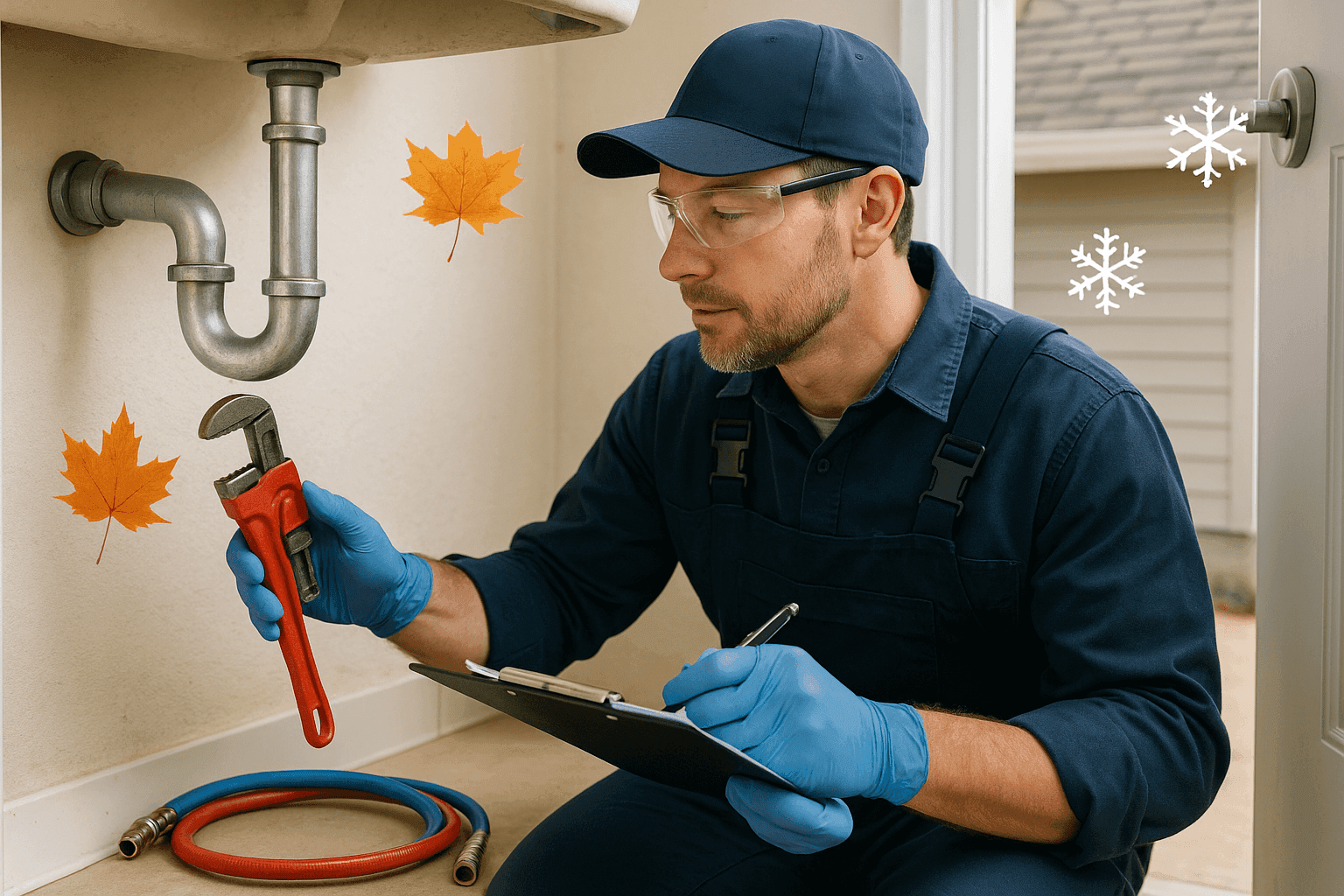
Plumbing problems never wait for a convenient time. A small drip can become a flood. A slow drain can turn into a full-blown emergency. If you’re a homeowner or run a small business, you know how quickly a plumbing issue can derail your day.
At T Top Plumbing, we understand the stress and expense that come with unexpected leaks, clogs, or water heater failures. The good news? A little attention throughout the year can keep your pipes, drains, and fixtures working smoothly—and help you avoid late-night emergency plumbing calls.
Why Year-Round Plumbing Maintenance Matters
Think of your plumbing system like the veins and arteries of your property. When everything flows as it should, daily life hums along. But a single blockage or hidden leak can create chaos, damage property, and cost you a fortune in repairs.
Regular maintenance is your best defense. It catches small problems before they become big headaches. It protects your investment and keeps your water running clean and safe.
Seasonal Plumbing Maintenance Tasks 🌱❄️🌞🍂
Just as you’d prepare your car for winter or give your home a spring cleaning, your plumbing needs attention with the changing seasons. Here’s what to focus on, season by season:
Spring: Fresh Start for Your Pipes
- Inspect for Leaks: Winter’s freeze-thaw cycles can crack pipes. Check under sinks, around water heaters, and in basements for drips or puddles.
- Clean Gutters and Downspouts: Clogged gutters can cause water to pool near your foundation, leading to leaks and basement flooding.
- Test Sump Pumps: Pour water into the pit to make sure it turns on and pumps out water. Sump pumps often save basements from spring rains.
- Check Outdoor Faucets: Turn them on and look for leaks. If water comes out weakly or not at all, you may have a burst pipe.
Summer: Prevent Blockages and Save Water
- Inspect Sprinkler Systems: Broken sprinkler heads or underground leaks waste water and can erode your yard.
- Check for Slow Drains: Summer parties and gatherings put extra strain on kitchen and bathroom drains. Clean out debris and use strainers.
- Look for Signs of Sewer Line Trouble: Lush, green patches in your yard can mean a leaking sewer line. Unpleasant odors are another red flag.
- Monitor Water Pressure: High demand during hot months can reveal hidden problems.
Fall: Prepare for the Cold
- Insulate Exposed Pipes: Use foam sleeves or insulation tape on pipes in garages, crawl spaces, and along exterior walls.
- Drain and Store Outdoor Hoses: Disconnect hoses and shut off outdoor water valves to prevent freezing.
- Service Water Heaters: Flush out sediment to improve efficiency and prolong life.
- Check for Dripping Faucets: Even a tiny leak can freeze and split a pipe.
Winter: Defend Against Freezing
- Keep Heat On: If you leave for vacation, set the thermostat no lower than 55°F (13°C).
- Open Cabinet Doors: Let warm air reach pipes under sinks, especially on exterior walls.
- Let Faucets Drip: A slow trickle keeps water moving and helps prevent freezing.
- Know Where Your Main Shutoff Is: If a pipe bursts, shutting off water quickly can minimize damage.
How to Identify Early Signs of Plumbing Problems
Plumbing issues rarely appear out of nowhere. They whisper before they shout. Here’s what to watch for:
- Unusual Noises: Banging, gurgling, or whistling pipes can mean air in the lines, water hammer, or a hidden leak.
- Slow Drains: Water that pools in sinks or tubs signals a clog forming deeper in the system.
- Low Water Pressure: A sudden drop can point to a leak, mineral buildup, or a failing pressure regulator.
- Stains or Dampness: Brown spots on ceilings, peeling paint, or musty smells often mean water is leaking behind the scenes.
- Spiking Water Bills: If your usage hasn’t changed but your bill jumps, suspect a hidden leak.
Catching these early means less mess, less stress, and less money out of your pocket.
DIY Maintenance Tips Versus When to Call a Professional 🛠️
Some plumbing care is as simple as changing a lightbulb. Other times, it’s more like rewiring your whole house. Here’s where to draw the line:
What You Can Do Yourself
- Clean Faucet Aerators: Unscrew and rinse out debris to restore flow.
- Use Drain Screens: Catch hair and food scraps before they cause clogs.
- Check Toilet Flappers: If your toilet runs, replacing the flapper is a quick fix.
- Tighten Loose Fixtures: A wrench and a little care can stop a small drip.
When to Call a Professional
- Persistent Leaks: If you’ve tightened, patched, and it still drips, it’s time for help.
- Major Blockages: Chemical drain cleaners can damage pipes. If plunging doesn’t work, call in the pros.
- Gas Line Concerns: Gas leaks are dangerous. Always leave these to licensed professionals.
- Water Heater Issues: Strange noises, leaks, or no hot water are signs your water heater needs expert attention.
- Sewer Line Problems: Backups, foul odors, or soggy patches in your yard require special equipment and expertise.
Remember: Safety first. If you’re ever unsure, it’s better to make a quick call than risk a flood or worse.
Emergency Preparedness for Plumbing Failures 🚨
Plumbing emergencies don’t keep business hours. A burst pipe or overflowing toilet can happen at midnight or midday. Here’s how to minimize damage before help arrives:
Immediate Steps
- Shut Off the Water: Know where your main shutoff valve is. Turn it off at the first sign of a major leak.
- Turn Off Electricity: If water is pooling near outlets or appliances, shut off power at the breaker box.
- Contain the Leak: Use towels, buckets, or even pots and pans to catch water and prevent spread.
- Move Valuables: Get electronics, documents, and furniture out of harm’s way.
- Document Damage: Take photos for insurance purposes.
Keep These On Hand
- Flashlight with fresh batteries
- Adjustable wrench
- Plunger
- Heavy-duty towels or rags
- Emergency contact list (including your plumber!)
What Professionals Do When They Arrive
When you call T Top Plumbing for emergency plumbing, here’s what happens next:
- Rapid Assessment: We locate the source of the problem and assess the risk to your property.
- Safety Checks: Following guidelines from organizations like the International Association of Plumbing and Mechanical Officials (IAPMO), we ensure gas and electrical safety before repairs.
- Containment: We stop leaks, clear blockages, or shut down systems as needed.
- Repair or Replacement: Using industry-approved materials and methods, we fix the issue with minimal disruption.
- Testing: We run water, check pressure, and inspect for hidden problems to ensure everything works as it should.
Preventative Maintenance: Extend the Life of Your Plumbing
Consistent care is the secret. Here are habits that make a difference:
- Schedule Annual Inspections: A yearly checkup by a licensed plumber can spot hidden issues.
- Flush Water Heaters: Sediment buildup can reduce efficiency and cause damage.
- Test Backflow Prevention Devices: Especially important for small businesses to meet health codes.
- Install Water Filtration: Protects your pipes and appliances from mineral buildup.
- Check Water Pressure: Install a pressure gauge to monitor for sudden changes.
Following guidelines from the Uniform Plumbing Code (UPC) and National Standard Plumbing Code (NSPC) helps ensure your system meets safety and efficiency standards.
Costs and Time Factors: What to Expect
Plumbing maintenance isn’t free, but it’s far less expensive than emergency repairs. Here’s what affects cost and timing:
- Type of Service: Clearing a drain is quick. Replacing a burst pipe or water heater takes longer.
- Accessibility: Pipes behind walls or under floors take more time to reach.
- Parts and Materials: Older systems may need special fittings.
- Emergency vs. Scheduled: Emergency calls often cost more due to after-hours response.
A simple inspection might take an hour. Major repairs could take a day or more. Regular maintenance helps keep costs and surprises to a minimum.
When It’s an Emergency
Some plumbing problems can’t wait:
- Burst Pipes: Water pouring out? Shut off the main and call immediately.
- Sewage Backups: Raw sewage is a health hazard. Don’t try to fix this yourself.
- Gas Leaks: If you smell gas, leave the building and call emergency services first, then your plumber.
- No Water: If your taps run dry, it could mean a major leak or supply issue.
If in doubt, err on the side of caution. Fast action limits damage and keeps everyone safe.
Frequently Asked Questions
How often should I have my plumbing inspected?
Most experts recommend a professional inspection once a year, especially for older properties or businesses with heavy water use.
What’s the best way to prevent frozen pipes?
Insulate exposed pipes, keep your home above 55°F (13°C), and let faucets drip during extreme cold.
Can I use chemical drain cleaners?
It’s best to avoid them. They can damage pipes and harm the environment. Mechanical methods or professional drain cleaning are safer.
How do I know if I have a hidden leak?
Watch for unexplained water bills, damp spots, mold growth, or musty smells. Professional leak detection tools can pinpoint the source.
Special Considerations for Homeowners and Small Businesses
Plumbing needs vary. Homeowners may focus on preventing leaks and water damage. Small businesses must also consider code compliance, backflow prevention, and water quality for customers and staff.
- For Homeowners: Regular checks and prompt repairs protect your investment and family.
- For Small Businesses: Schedule maintenance during off-hours to avoid disrupting operations. Stay up to date with health and safety codes, especially for kitchens, restrooms, and public spaces.
No matter your situation, proactive care beats reactive repairs every time.
Call T Top Plumbing now — or reach us anytime at 877-754-3949 .