How Much Does Pipe Repair or Replacement Cost? (2024)
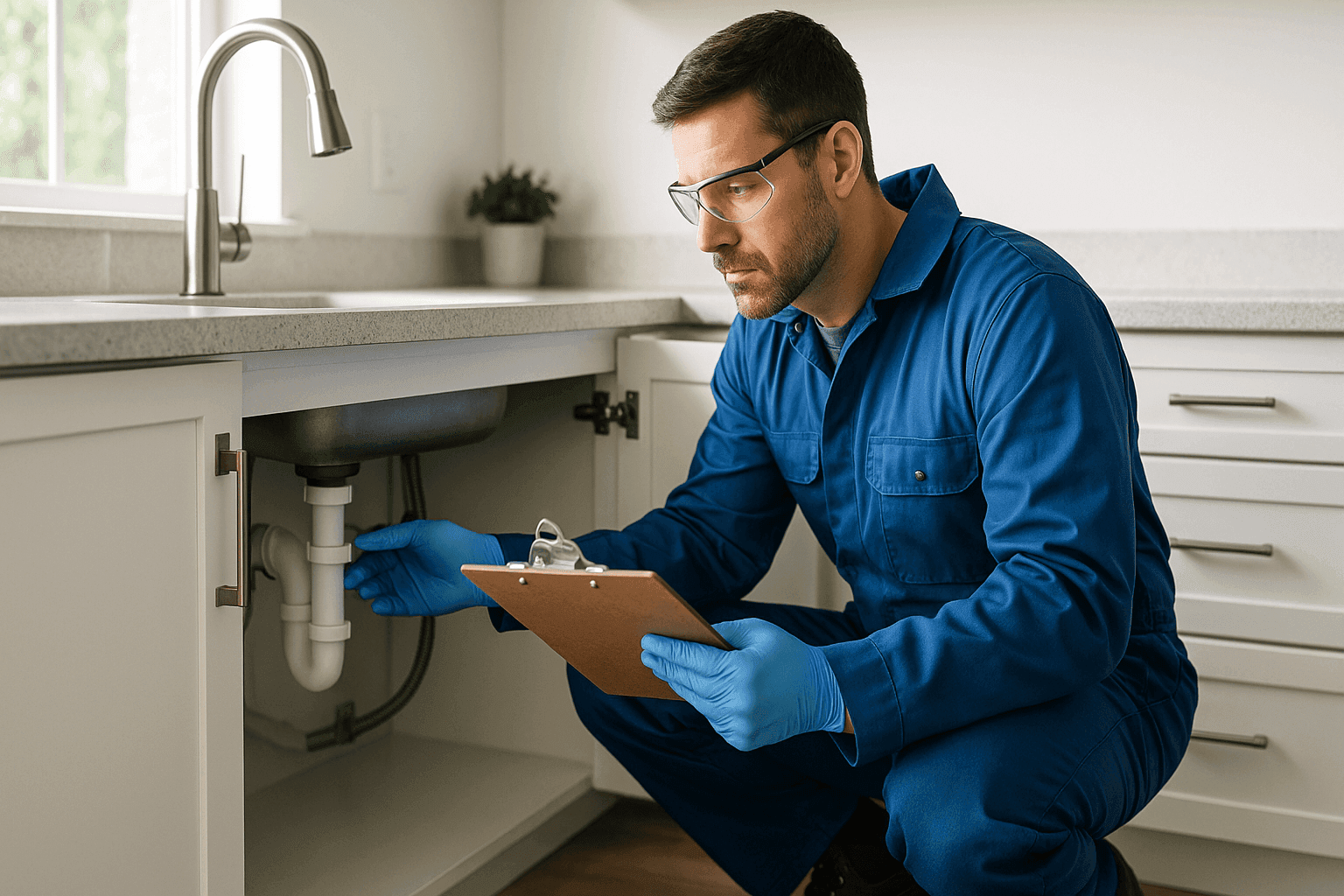
When water starts dripping where it shouldn’t—or your pipes suddenly sound like haunted wind chimes—it’s hard not to panic. Pipe problems don’t wait for a convenient time, and the stress of an unexpected repair bill can add to the headache.
At T Top Plumbing, we know how overwhelming emergency plumbing issues feel. You want answers you can trust and a clear idea of what to expect—without the runaround. Here’s what goes into the cost of pipe repair or replacement in 2024, and how to plan for it.
Pipe Repair vs. Replacement
Not every leaky pipe spells disaster. Sometimes a quick repair is all you need to get your home or business back on track. But there are moments when patching things up just won’t cut it.
When does a repair make sense?
- If only a small section is damaged—like a single cracked pipe under a sink.
- The pipe material is still sound, with no widespread corrosion.
- There’s no recurring history of leaks in the same area.
When is full repiping the better call?
- Your pipes are old enough to remember when disco was king (think galvanized steel or old copper).
- Multiple leaks keep popping up, like a game of whack-a-mole.
- Water quality has gone downhill—rusty, discolored, or tasting odd.
- Low water pressure throughout your whole property, not just one spot.
Choosing between repair and replacement can feel like deciding whether to patch a tire or replace it entirely. One fixes the immediate problem; the other gives long-term peace of mind.
Cost Factors 🛠️
Why is one pipe repair a quick fix, while another could cost as much as a weekend getaway? Several key factors shape the final bill.
Pipe Material
- Copper: Durable and common in older homes, but pricier to replace.
- PEX: Flexible plastic, increasingly popular for new installations and repiping.
- PVC/CPVC: Often used for drain lines—affordable, but not suitable for all situations.
- Galvanized Steel: Outdated and prone to corrosion; replacement usually recommended.
Access to Pipes
Is the pipe exposed, or hidden behind walls, under floors, or below concrete? The harder it is to reach, the more labor and time required.
- Exposed pipes (like under a sink): Faster, less expensive.
- Buried or concealed pipes: More demolition and restoration work.
Labor
Labor costs vary by region and type of work. Emergency plumbing calls, especially at night or on weekends, come with higher rates. Licensed plumbers—like those at T Top Plumbing—follow local codes and safety regulations, which protects your property but can influence pricing.
Emergency vs. Scheduled Work
Pipe suddenly bursts at 2 a.m.? Emergency rates apply. But if you schedule a repair during regular hours, you’ll often pay less.
Other factors include:
- Length and diameter of pipe needing repair or replacement.
- Need for special equipment or permits (especially for gas or sewer lines).
- Additional repairs to walls, floors, or landscaping.
National Averages and Ranges (2024)
So, how much should you expect to pay? Prices can swing widely. Here’s a look at typical cost ranges for residential and commercial pipe work in 2024:
Pipe Repair:
- Minor leak (easy access): $250–$500
- Leak under slab or behind wall: $600–$2,000
- Emergency night/weekend call: Add 20–50% to the above
Pipe Replacement/Repiping:
- Small section (one room): $500–$1,500
- Full home repiping (copper): $6,000–$15,000
- Full home repiping (PEX): $4,000–$10,000
Other common services:
- Sewer Line Installation near you: $3,000–$7,000 (depending on length and soil)
- Gas Line Replacement: $500–$2,500
Commercial properties or larger homes will often see higher totals due to scale and building codes.
Keep in mind: Costs can be higher or lower in your area based on local labor rates, permit fees, and material availability. For example, prices in coastal California may differ from the Midwest due to labor demand and regional codes.
How to Get an Accurate Estimate 💬
Getting a fair, clear quote is the first step to peace of mind. Here’s how to make the process smoother:
Questions to Ask
- What’s included in this estimate? (Labor, materials, permits, restoration?)
- Are there any possible additional fees? (For after-hours or emergency plumbing work?)
- Is the plumber licensed and insured to handle this specific type of repair?
- How long will the job take, and will water/gas be shut off during repairs?
- Will you handle cleanup or restoration after the work is done?
What to Expect from a Quote
A detailed quote should break down:
- Type and amount of materials
- Labor charges (including emergency rates if applicable)
- Fees for permits or inspections (especially for gas and sewer lines)
- Any charges for opening and repairing walls, floors, or landscaping
At T Top Plumbing, our quotes are clear and up front. No hidden fees. Just honest answers you can count on.
Local and Seasonal Considerations
Pipe repair costs don’t exist in a vacuum. Some seasonal and regional factors can nudge prices up or down.
- Winter months: Frozen pipes can cause more urgent (and expensive) repairs, especially where homes aren’t insulated for cold.
- High-demand seasons: After storms or heat waves, demand for plumbing services can spike.
- Local building codes: Some cities or counties require specific materials or permits, which can affect both timeline and cost.
If you’re in an area with hard water, frequent earthquakes, or older infrastructure, preventative maintenance may save you money in the long run. Local water authorities and the International Association of Plumbing and Mechanical Officials (IAPMO) offer guidance on safety standards and maintenance tips.
Practical Tips for Managing Pipe Repair Costs
- Know where your main water shutoff is—quick action can limit damage.
- Keep an eye out for early signs: stains, mold, musty smells, or sudden water bill spikes.
- Schedule regular plumbing inspections—especially if your home is older than 30 years.
- Ask for a written estimate and clarify what’s included before work begins.
FAQ
How do I know if my pipes need to be replaced, not just repaired?
If leaks keep happening, water is rusty, or your home is over 50 years old with original plumbing, replacement may be more cost-effective.
Do insurance policies cover pipe repairs?
Policies vary. Sudden, accidental damage is often covered, but gradual wear or old age usually isn’t. Check with your provider.
Can I DIY a pipe repair?
Small leaks—like under a sink—may be patchable if you’re handy. But hidden leaks, gas lines, or anything requiring cutting into walls are best left to licensed pros.
What if I need sewer line installation near me?
Sewer line work is complex, often involving permits and heavy equipment. Always choose a licensed plumber for these jobs.
When to Call for Emergency Plumbing
If you spot a burst pipe, gas smell, or water rapidly rising where it shouldn’t—don’t wait. Turn off your main valve and call for emergency plumbing help right away. Fast action minimizes damage and can save you money down the line.
Pipe repairs and replacements aren’t anyone’s idea of fun. But with the right information—and a team that gives you straight answers—you can handle it without surprises.
Call T Top Plumbing now — or reach us anytime at 877-754-3949 .