How to Prepare Your Plumbing for Winter Freezes and Storms
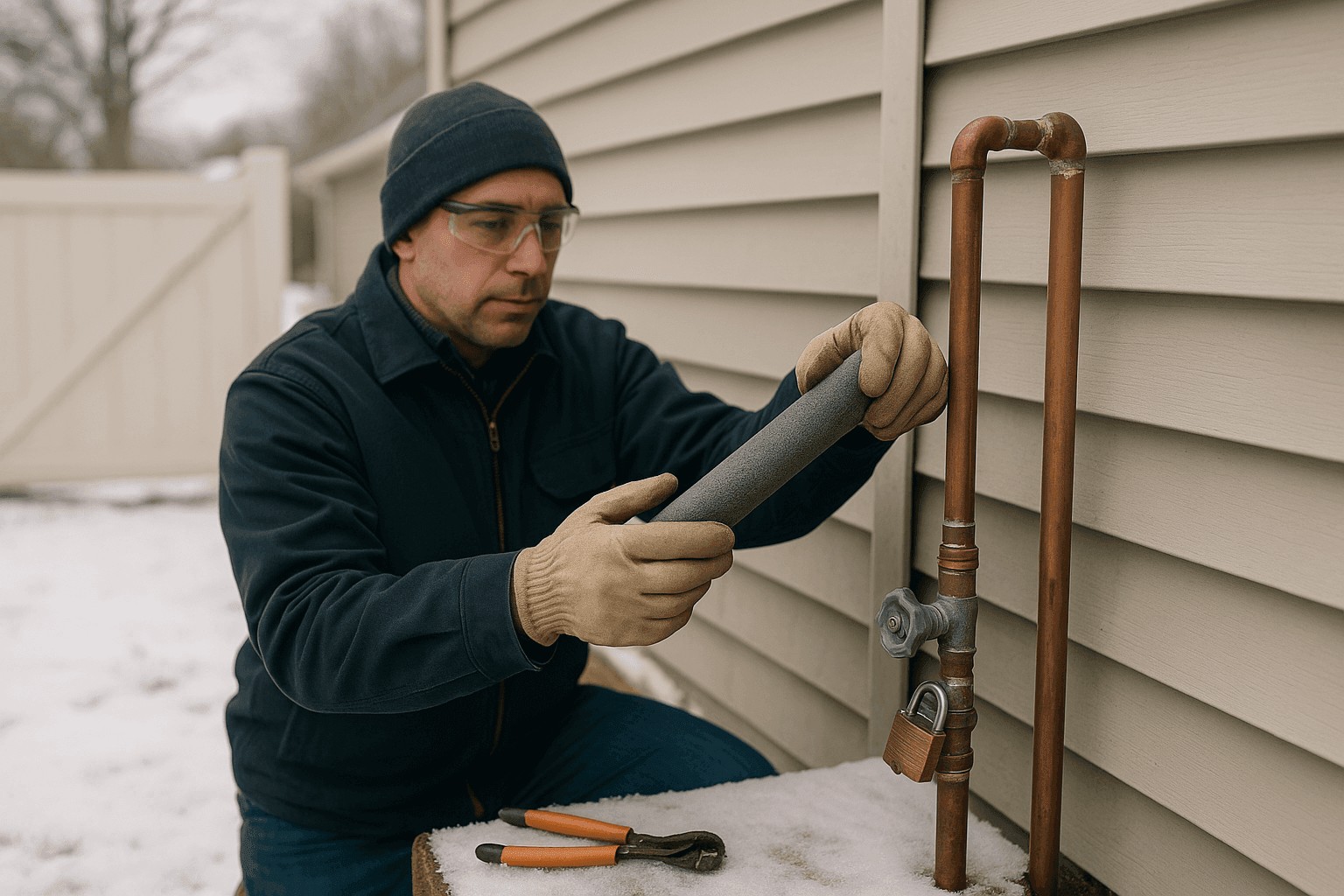
Winter can turn your plumbing from a silent helper into a ticking time bomb. As temperatures drop and storms roll in, pipes can freeze, crack, or burst—leaving you with a mess, costly repairs, and a lot of stress.
At T Top Plumbing, we know that a little preparation goes a long way. Whether you’re a homeowner or a small business owner, taking steps before the cold sets in can mean the difference between a peaceful winter and a plumbing nightmare.
Common Winter Plumbing Problems ❄️
When the mercury drops, water inside your pipes can freeze. Water expands as it turns to ice, putting pressure on even the toughest pipes. Here’s what can go wrong:
- Frozen Pipes: Water stops flowing, and pipes may crack or burst.
- Burst Pipes: Once the ice melts, water gushes out, causing flooding and water damage.
- Low Water Pressure: Ice blockages slow or stop water flow. Faucets may sputter, or nothing comes out.
- Leaky Fixtures: Cold weather can worsen small leaks, turning drips into steady streams.
- Sump Pump Failures: Heavy winter storms can overwhelm sump pumps, leading to basement flooding.
- Clogged Drains: Grease and debris solidify faster in cold pipes, increasing the risk of clogs.
These aren’t just annoyances—they can lead to expensive repairs, water damage, and even mold growth. According to the International Association of Certified Home Inspectors, water damage from burst pipes is one of the most common homeowner insurance claims during winter.
Step-by-Step Winterization Tips
Getting your plumbing ready for winter doesn’t have to be complicated. Think of it as wrapping your home in a warm blanket. Follow these steps for peace of mind:
1. Insulate Exposed Pipes
- Where: Focus on pipes in unheated spaces—garages, basements, attics, crawl spaces, and along exterior walls.
- How: Use foam pipe insulation sleeves or wrap pipes with insulating tape. For extra cold spots, double up.
- Why: Insulation slows heat loss, keeping water above freezing.
2. Shut Off and Drain Outdoor Faucets
- Disconnect hoses and store them indoors.
- Shut off water supply valves to outdoor spigots.
- Open faucets to drain any remaining water. A dry pipe can’t freeze.
3. Seal Gaps and Cracks
- Check for gaps where pipes enter walls or floors. Use caulk or expanding foam to seal them.
- Even small drafts can let in enough cold air to freeze pipes.
4. Check Your Sump Pump
- Test the pump by pouring a bucket of water into the pit. Make sure it turns on and drains quickly.
- Clean the pit and check the discharge pipe for blockages.
- Consider a battery backup in case of power outages.
5. Service Your Water Heater
- Flush sediment from the tank to improve efficiency (and avoid cold showers).
- Set the thermostat to 120°F for safety and energy savings.
- Inspect for leaks or rust.
6. Know Your Main Water Shutoff
- Find your main shutoff valve and make sure everyone in the household knows where it is.
- In an emergency, shutting off water quickly can prevent major damage.
7. Schedule a Leak Detection Check
- Early leak detection can save you from disaster. Professional plumbers use acoustic sensors and thermal imaging to spot hidden leaks.
Emergency Plumbing Readiness
Even the best preparations can’t stop every problem. Winter storms can hit hard and fast. Here’s how to be ready:
- Keep emergency plumbing contacts handy. Save T Top Plumbing’s number in your phone.
- Stock up on supplies: Pipe insulation, towels, buckets, and a portable heater.
- Know what to do if a pipe bursts: Shut off the main valve, open faucets to drain water, and call for emergency plumbing help.
If you’re away for an extended period, consider shutting off your main water supply and draining pipes, or keep the heat set no lower than 55°F.
Quick Safety Checklist
Before the first freeze, run through this list:
- [ ] Insulate all exposed pipes
- [ ] Drain and shut off outdoor faucets
- [ ] Seal gaps around pipes
- [ ] Test sump pump
- [ ] Flush water heater
- [ ] Locate main shutoff valve
- [ ] Schedule leak detection if needed
A few minutes now can prevent hours of cleanup later.
DIY vs. Call a Pro
Some winter prep tasks are simple. Others need a steady hand and a trained eye.
DIY-Friendly Tasks
- Adding pipe insulation
- Draining hoses and outdoor faucets
- Sealing small gaps
When to Call a Professional
- Suspected leaks inside walls or floors
- Noisy pipes or water hammer sounds
- Sump pump issues or repeated clogs
- Water heater problems or rust
- Frozen pipes you can’t safely thaw
Licensed plumbers follow strict safety codes (refer to the Uniform Plumbing Code and International Plumbing Code) and have tools to spot hidden problems before they get worse.
What Pros Do On Arrival
When T Top Plumbing arrives for a winter plumbing call, here’s what you can expect:
- Thorough inspection: We check exposed and hidden pipes, fixtures, and appliances.
- Leak detection: Using acoustic sensors and thermal cameras, we find even the sneakiest leaks.
- Pipe thawing: Safe methods to thaw frozen pipes without damaging them.
- Repairs and replacements: Fixing cracks, leaks, or faulty fixtures on the spot.
- Preventative advice: Tips for ongoing maintenance, tailored to your property.
Our team follows all relevant safety guidelines, including those from the Occupational Safety and Health Administration (OSHA) and the National Fire Protection Association (NFPA), especially for gas line and boiler checks.
Prevention & Maintenance
Think of plumbing maintenance like regular oil changes for your car. Skipping it is asking for trouble.
- Annual Inspections: Have a pro check your system before winter.
- Replace old pipes: Galvanized steel or polybutylene pipes are more likely to fail in the cold.
- Upgrade fixtures: Modern faucets and toilets are less prone to freezing and leaking.
- Install backflow preventers: Protect your water supply from contamination during floods.
- Consider a water filtration system: Winter storms can stir up sediment in municipal supplies.
Regular maintenance not only prevents emergencies but can also lower your water bills and extend the life of your plumbing.
Costs & Time Factors
Plumbing work during winter can be more complex—and sometimes more expensive—than in warmer months. Here’s what affects the cost and time:
- Severity of the issue: A simple pipe wrap is quick and affordable. Burst pipes or deep leaks take longer and cost more.
- Location: Pipes behind walls or under slabs require more labor.
- Emergency calls: After-hours or weekend service may carry a premium.
- Parts and materials: Older homes may need special fittings or upgrades.
Most basic winterization tasks can be done in an afternoon. Emergency repairs, especially for burst pipes or major leaks, may take several hours to a full day.
When It’s an Emergency
Some plumbing problems can’t wait. Pick up the phone if you notice:
- Water spraying or pooling indoors
- No water flow during a freeze
- Gurgling drains or sewage backing up
- Gas odors near appliances or pipes
- Sudden drop in water pressure
In these situations, shut off your main water valve and call for emergency plumbing help right away. Quick action can limit the damage and keep your home or business safe.
FAQ
What temperature do pipes start to freeze?
Pipes can begin freezing when temperatures drop below 32°F (0°C), but risk increases significantly as it nears 20°F (-6°C), especially in unheated spaces.
Can I use a hair dryer to thaw frozen pipes?
Yes, but use caution. Start at the faucet end and work toward the frozen section. Never use open flames—this is a fire hazard and violates safety codes.
How do I know if my sump pump is working?
Pour a bucket of water into the pit. The pump should turn on and remove the water quickly. If it hesitates, makes odd noises, or fails to start, it’s time for a checkup.
Should I turn off the water when leaving for vacation in winter?
Yes, if you’ll be gone for several days. Shut off the main valve and drain the system, or keep the heat on to prevent freezing.
Special Considerations for This Service
Winter plumbing isn’t just about pipes. It includes:
- Gas lines: Cold weather can cause shifting soil or expansion, stressing underground gas lines. Regular gas safety checks are essential.
- Backflow prevention: Heavy storms can cause backflow, risking contamination. Annual testing is recommended.
- Water heaters and boilers: Both work harder in winter. Regular inspection helps avoid sudden breakdowns.
- Water filtration: Storms can impact water quality—filters help keep it safe.
Adhering to national plumbing codes and safety standards protects your property and everyone in it. Always use licensed professionals for gas, sewer, and major pipe work.
Be ready for whatever winter brings. Call T Top Plumbing now — or reach us anytime at 877-754-3949 .