Preventing Plumbing Disasters: Seasonal Maintenance Tips for Homeowners and Businesses
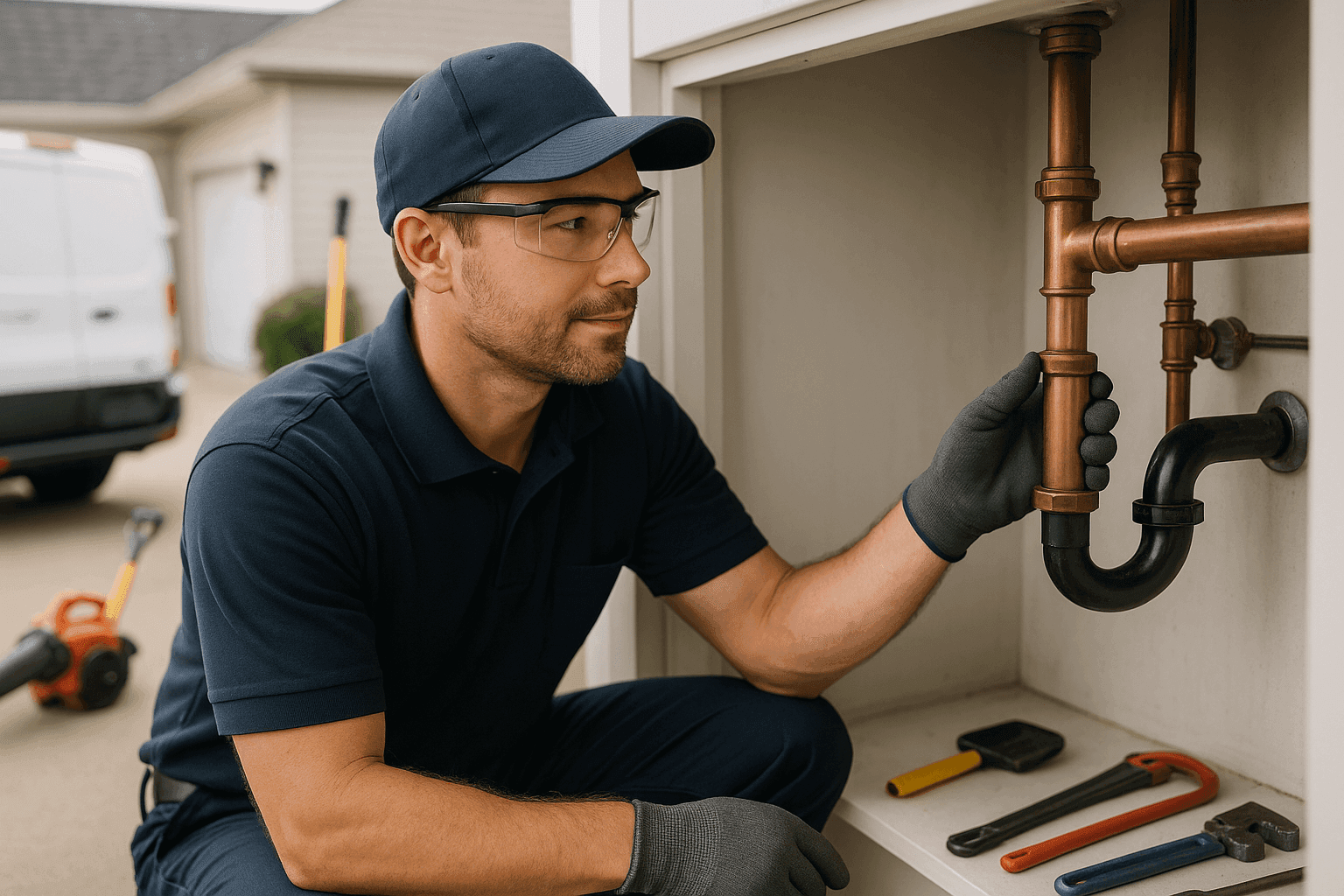
Is your plumbing ready for what the seasons might throw at it? For homeowners and small business owners, a sudden leak, burst pipe, or clogged drain can feel like a tidal wave crashing through your day. At T Top Plumbing, we’ve seen firsthand how a bit of seasonal care can keep those plumbing disasters at bay.
Let’s walk through practical, no-nonsense tips to help you maintain your plumbing system all year long. You’ll save money, avoid stress, and know when it’s time to call in the pros for emergency plumbing help.
Why Seasonal Plumbing Maintenance Matters
Plumbing works quietly behind the walls, but when trouble strikes, it’s anything but silent. Seasonal changes put different strains on pipes, fixtures, and appliances. Cold snaps freeze water lines. Heavy rains overwork sump pumps. Even a tiny drip can become a flood if ignored.
Think of your plumbing like a car. Regular tune-ups keep everything running smoothly and prevent breakdowns when you least expect them.
Winter: Guarding Against Freezing and Bursts ❄️
Winter is the season when pipes are most at risk. Water expands as it freezes, turning a small pipe into a ticking time bomb. One burst pipe can soak walls, ruin floors, and shut down your business or home for days.
Key Winter Plumbing Challenges
- Frozen or burst pipes
- Water heater overload
- Sump pump failure
- Blocked drains from holiday cooking
Winter Maintenance Tips
- Insulate exposed pipes: Use foam sleeves or insulation tape on pipes in unheated spaces like attics, basements, and garages.
- Let faucets drip: On especially cold nights, a slow drip keeps water moving and helps prevent freezing.
- Seal gaps: Check around windows, doors, and where pipes enter walls. Cold air sneaking in can freeze pipes quickly.
- Test your sump pump: Pour water into the pit to make sure it’s working before snow melts.
- Flush your water heater: Sediment builds up faster in winter; draining a few gallons helps maintain efficiency.
Warning Signs
- Reduced water flow
- Odd smells from drains
- Frost on visible pipes
If you notice these, act fast. A frozen pipe can burst in hours.
Spring: Clearing Out the Clogs and Checking for Leaks 🌱
After months of cold, spring brings thawing and heavy rains. Roots start searching for water, sometimes invading sewer lines. Melting snow and rain can overwhelm your sump pump.
Key Spring Plumbing Challenges
- Clogged or slow drains
- Sewer line root intrusion
- Leaky pipes and fixtures
- Sump pump overload
Spring Maintenance Tips
- Schedule a professional drain cleaning: Prevent blockages before they become emergencies.
- Inspect for leaks: Check under sinks, around toilets, and in basements for damp spots or mold.
- Test outdoor faucets: Look for leaks caused by winter freezing.
- Clean gutters and downspouts: Direct water away from your foundation to avoid basement flooding.
- Inspect sewer lines: If you have large trees nearby, consider a camera inspection to catch root issues early.
Warning Signs
- Gurgling drains
- Wet spots in the yard
- Musty odors
Don’t ignore these. Small leaks can lead to major repairs if left unchecked.
Summer: Hot Water, Heavy Use, and Sump Pump Checks ☀️
Summer means more showers, laundry, and outdoor activities. Plumbing systems work overtime. Heat and humidity can stress water heaters and cause pipes to sweat.
Key Summer Plumbing Challenges
- Water heater strain
- Garbage disposal jams
- Toilet clogs from gatherings
- Sump pump burnout
Summer Maintenance Tips
- Check your water heater: Look for rust, leaks, or odd noises. Adjust the temperature to 120°F for safety and efficiency (per U.S. Department of Energy recommendations).
- Service your sump pump: Clean the pit, test the float switch, and make sure the discharge line is clear.
- Clean your garbage disposal: Grind ice cubes and citrus peels to keep it fresh.
- Inspect hose bibs and outdoor plumbing: Replace washers or tighten connections if you spot leaks.
- Monitor water pressure: High pressure (over 80 psi) can damage pipes and fixtures.
Warning Signs
- Water heater not keeping up
- Frequent clogs
- Sump pump running constantly
A little attention now keeps the summer fun rolling.
Fall: Leak Detection, Backflow Prevention, and Prep for Cold 🍁
As leaves fall and temperatures drop, it’s time to prepare for winter’s return. Fall is the season for leak detection and backflow prevention.
Key Fall Plumbing Challenges
- Hidden leaks
- Backflow risk (contaminated water entering supply lines)
- Failing water heaters
- Blocked gutters/downspouts
Fall Maintenance Tips
- Schedule a professional leak detection: Catch hidden problems before freezing weather hits.
- Test backflow prevention devices: Required for many businesses and recommended for homes with irrigation or fire sprinklers (per local plumbing codes).
- Flush water heaters: Remove sediment to prevent corrosion.
- Winterize outdoor plumbing: Shut off and drain hose bibs and irrigation lines.
- Clean gutters: Prevent ice dams and water backups.
Warning Signs
- Unexplained water bills
- Discolored water
- Water stains on ceilings or walls
Don’t wait until the first freeze. Prevention is easier than repair.
Quick Safety Checklist for Every Season
- Know where your main shutoff valve is.
- Keep emergency plumbing contacts handy.
- Use only approved materials and follow manufacturer instructions.
- Never use open flames to thaw pipes.
- Install carbon monoxide detectors if you have gas appliances.
- Check appliance hoses (washer, dishwasher) for cracks or bulges.
- Test sump pumps and backflow devices annually.
DIY vs. Calling a Pro
Some plumbing tasks are like changing a lightbulb. Others are more like rewiring your whole house. Here’s how to tell the difference.
DIY-Friendly Tasks
- Replacing faucet washers
- Clearing minor clogs with a plunger
- Insulating exposed pipes
- Checking for visible leaks
When to Call a Professional
- Persistent clogs or slow drains
- Water stains or unexplained moisture
- Burst pipes or major leaks
- Sewer line backups
- Gas line issues
- Backflow prevention device testing
Plumbing codes and safety regulations exist for a reason. T Top Plumbing technicians are trained to spot issues you might miss and fix them safely.
What Pros Do On Arrival
When you call for emergency plumbing help, here’s what to expect:
- Assessment: We locate the source of the problem—no guesswork.
- Containment: Shut off water or gas to stop further damage.
- Diagnosis: Use specialized tools (like leak detectors and cameras) to find hidden issues.
- Repair or replacement: Fix the problem, whether it’s a burst pipe, a faulty water heater, or a blocked drain.
- Testing: Ensure everything works safely before leaving.
- Cleanup: Leave your space as tidy as we found it.
Our team follows industry best practices and adheres to local plumbing codes and safety guidelines.
Prevention & Maintenance: Year-Round Habits
- Watch your water bill: Sudden spikes mean trouble.
- Listen for changes: Gurgling, banging, or hissing can signal hidden issues.
- Don’t ignore slow drains: They rarely fix themselves.
- Schedule annual inspections: Especially for older properties or high-usage businesses.
- Replace old hoses and fixtures: Rubber hoses crack; stainless steel lasts longer.
- Install water leak detectors: Early warning saves money and headaches.
Proactive care is like an umbrella on a rainy day—it keeps the storms from soaking your home or business.
Costs & Time Factors
Plumbing maintenance is an investment in peace of mind. Here’s what to expect:
- Time: Most seasonal checks take 1–2 hours. Major repairs may take longer, depending on severity.
- Costs: Minor maintenance (like drain cleaning or leak checks) is usually affordable. Emergency plumbing repairs or major replacements cost more—especially if water damage occurs.
- Hidden savings: Regular upkeep prevents costly emergencies, insurance claims, and lost business.
Remember, fixing a small leak is always cheaper than repairing a water-damaged wall or replacing flooring.
When It’s an Emergency
Not all plumbing problems can wait. Call for emergency plumbing help if you notice:
- Gushing water or flooding
- No water or hot water at all
- Sewage backups
- Gas smell near appliances or pipes
- Burst pipes
Quick action limits damage and keeps everyone safe.
FAQ
What’s the fastest way to thaw a frozen pipe?
Turn off the main water supply. Use a hair dryer or warm towels—never an open flame. If you can’t access the frozen area, call a professional.
How often should I have my plumbing inspected?
At least once a year, or after major weather events. Businesses with heavy usage may need more frequent checks.
Are chemical drain cleaners safe?
Most are harsh and can damage pipes over time. Try a plunger or a drain snake first. For stubborn clogs, call a pro.
What is backflow and why does it matter?
Backflow is when contaminated water flows backward into clean supply lines, risking health and safety. Backflow prevention devices are required by plumbing codes in many commercial and residential settings.
Special Considerations for Homeowners and Businesses
- Homeowners: Older homes often have aging pipes and fixtures. Schedule regular inspections and consider repiping if you notice low water pressure or frequent leaks.
- Businesses: High-traffic restrooms and kitchens mean more wear and tear. Preventative maintenance reduces downtime and protects your reputation.
- Gas appliances: Always have gas lines and appliances checked annually for leaks and safety.
Stay proactive. A little attention now can save a lot of stress later.
Call T Top Plumbing now — or reach us anytime at 877-754-3949 .