Repiping 101: When and Why to Upgrade Your Plumbing
Is your plumbing trying to tell you something? Maybe your water tastes strange, or the pressure drops just when you need it most. It might start as a drip or a gurgle. But left unchecked, old pipes can turn a simple inconvenience into a full-blown emergency plumbing situation.
At T Top Plumbing, we know pipes are the veins of your home or business—quietly working behind walls, under floors, out of sight and out of mind. Until they aren't. If you own an older home or manage a building that’s seen decades of use, repiping isn’t just a fix—it’s a smart investment in peace of mind.
Signs You Need Repiping 🛠️
How do you know when it’s time to consider repiping? Pipes don’t last forever. Like an old garden hose that finally gives out, your plumbing will eventually show its age. Here’s what to watch for:
- Water Discoloration: Rusty, brown, or yellow water is a red flag. Corroded pipes let minerals and metals seep into your supply.
- Frequent Leaks: If you’re patching leaks more than once a year, it could mean the whole line is wearing thin.
- Low Water Pressure: Spitting faucets or showers that drizzle can signal mineral buildup or hidden leaks.
- Age of Pipes: Homes built before the 1970s often have galvanized steel or even lead pipes—materials now known for their risks and short lifespan.
- Visible Corrosion: Flaking, stains, or dimples on exposed pipes spell trouble ahead.
- Odd Tastes or Smells: Metallic taste or musty odor? Don’t ignore it. Water should be clear, clean, and odorless.
If you’re seeing several of these signs, your system may be past its prime. The risk isn’t just inconvenience. Old pipes can burst suddenly, causing water damage or even health hazards.
What Repiping Involves 🔧
Repiping isn’t just swapping out a pipe or two. Think of it as a full wardrobe change for your plumbing. Here’s what to expect:
Materials Used
- Copper: Durable, tried-and-true, and long-lasting.
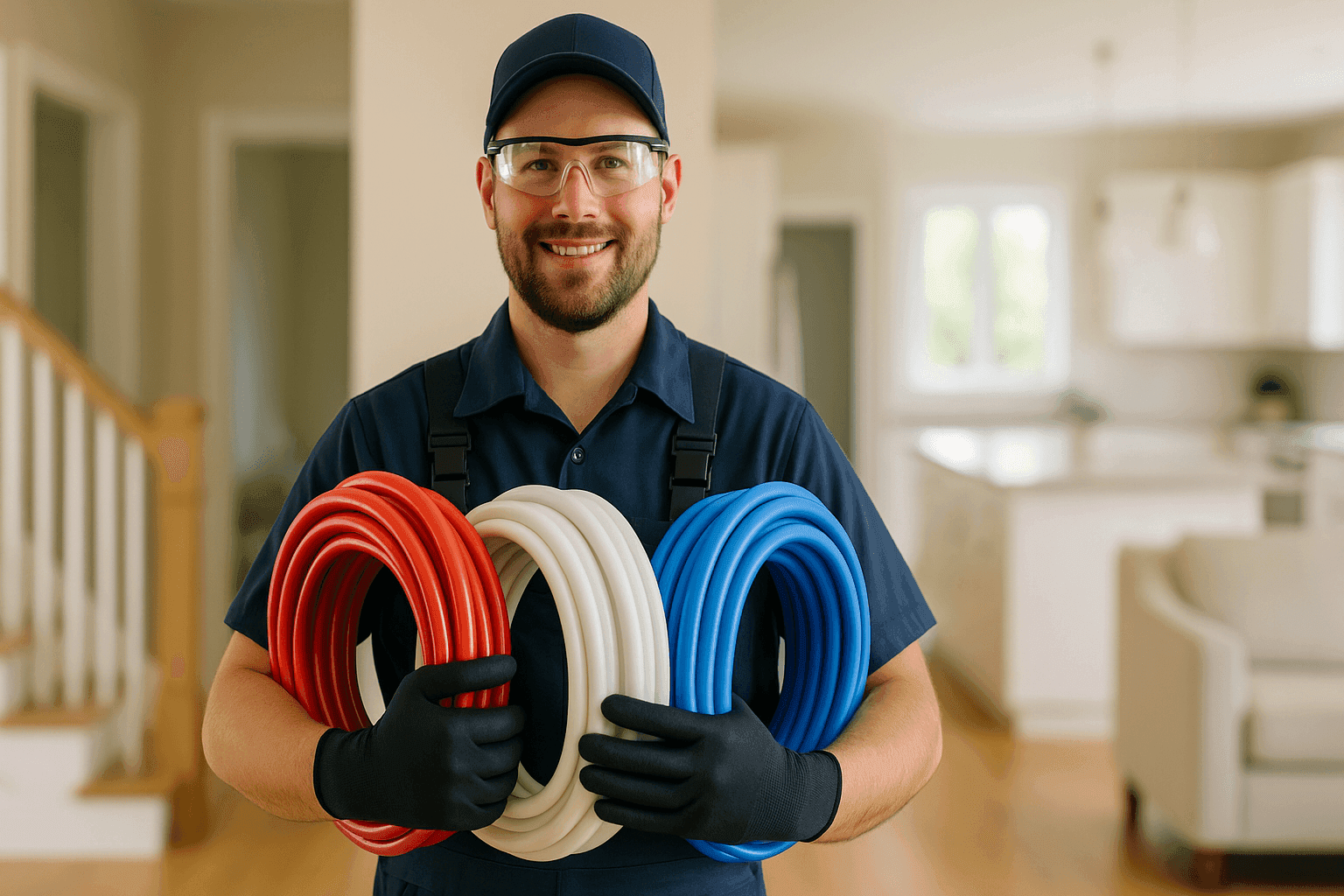
- PEX (cross-linked polyethylene): Flexible, fast to install, and resistant to scale and chlorine.
- CPVC: Cost-effective and good for homes with aggressive water chemistry.
Timeline
- Average Home: 2–7 days, depending on size and complexity.
- Commercial Buildings: May take longer due to size, access, and local code requirements.
What Happens on Site
- Assessment: Our team maps your current system, pinpoints problem areas, and plans the least disruptive route.
- Shutoff: Water is turned off (sometimes just in sections if possible).
- Access: Small holes are made in drywall to reach pipes—always with care to minimize mess.
- Pipe Replacement: Old lines are removed and replaced. New pipes are pressure-tested before walls are closed up.
- Cleanup: We patch holes, clean up debris, and ensure you’re left with a safe, tidy space.
Disruption
Yes, there’s some disruption. But a professional crew works efficiently—often keeping water outages short and cleaning up as they go. We work with you to minimize downtime, especially for businesses that need to keep running.
Benefits of Repiping
Why not keep patching leaks? Because new pipes bring real, lasting advantages.
- Healthier Water: Modern materials eliminate rust, lead, and other contaminants. Your water tastes better and is safer for everyone.
- Fewer Emergencies: No more waking up to a flooded basement or shutting down your business due to a burst pipe.
- Improved Water Pressure: Showers become satisfying again, and appliances work as intended.
- Higher Property Value: Repiping is a selling point, especially in older homes or buildings—buyers appreciate not having to worry.
- Insurance Perks: Many insurers look favorably on updated plumbing, sometimes lowering your premiums.
- Future-Proofing: Upgrading now can help meet current building codes and avoid complications down the road.
Choosing the Right Contractor 🏗️
Repiping is a big job. You want it done right the first time. Here’s what to look for when hiring:
- Experience: Look for a team (like T Top Plumbing) with a strong track record in both residential and commercial repiping.
- Licensing and Insurance: Never settle for less. A reputable company will be fully insured and up to date on all local codes.
- References: Ask for recent repiping project references. Satisfied customers are the best proof.
- Warranty: Quality work lasts. While no one can see the future, a contractor who stands behind their installation shows confidence in their work.
Local and Code Considerations
In many neighborhoods, especially with homes and buildings built before the 1980s, old plumbing isn’t just a nuisance—it can be out of code. Local municipalities often require upgrades during major renovations, especially when safety is at stake (see California Plumbing Code, International Plumbing Code).
Older homes may still have lead or galvanized pipes, both of which are now discouraged by modern codes. Commercial properties may need larger diameter pipes or pressure-reducing valves per city requirements. A reputable contractor will know your local rules and pull the right permits.
Practical Repiping Tips
- Schedule During Mild Weather: Extreme heat or cold can slow work and create complications.
- Clear Access: Move furniture and valuables away from work areas.
- Plan for Water Outages: Fill bathtubs and buckets beforehand for washing and flushing needs.
- Communicate: Let your contractor know about special circumstances—elderly residents, medical needs, or business hours.
- Ask About Materials: Some materials are better suited for certain climates or water chemistry.
Repiping for Emergency Plumbing Needs
Sometimes, waiting isn’t an option. Burst pipes, recurring leaks, or water pouring where it shouldn’t be can’t wait for tomorrow. Repiping is often the recommended fix when emergency plumbing repairs become too frequent or temporary patches just don’t hold.
If you’re searching for “Sewer Line Installation near you” after a line rupture or need a full system overhaul, a team that responds quickly and works efficiently is a must.
FAQ: Common Repiping Questions
How long will my water be off during repiping?
Typically, water is off for only a few hours at a time while new sections are installed. In many cases, we work in stages to keep disruption minimal.
Will walls and floors be damaged?
Access holes are kept as small as possible and are patched up when work is done. We do our best to leave your space as we found it.
Is repiping noisy or messy?
There’s some noise and dust, but cleanup is part of the job. We use drop cloths, plastic sheeting, and vacuum tools to control debris.
How do I know what type of pipes I have now?
Look for exposed lines in basements, crawl spaces, or utility closets. If you’re unsure, our team can inspect and identify your pipe materials.
Local/Seasonal Considerations 🌦️
Living in an area with hard water or frequent temperature swings? Both can shorten the life of your plumbing. Older neighborhoods with mature trees may also face root intrusion, which damages sewer lines and can prompt a full repiping or Sewer Line Installation. Local building codes may require updates during renovations—especially in historical districts.
When Should I Call for Emergency Plumbing Help?
- Major leaks or burst pipes
- Sudden drop in water pressure with visible water damage
- Persistent water discoloration, especially after repairs
- Sewer backups or foul odors in your home or business
Don’t wait for a small problem to become a big mess. Prompt action limits damage and keeps you safe.
Ready to upgrade your plumbing? Whether you’re dealing with stubborn leaks, low water pressure, or just want peace of mind, T Top Plumbing is here to help. Our fully insured team brings years of proven experience and a commitment to getting it right—no shortcuts, no surprises.
Call T Top Plumbing now — or reach us anytime at 877-754-3949 .